Buy dragons-shop.com ?
We are moving the project
dragons-shop.com .
Are you interested in purchasing the domain
dragons-shop.com ?
domain@kv-gmbh.de · 0541-91531010
Buy dragons-shop.com ?
How does gas exchange work?
Gas exchange is the process by which oxygen is taken in from the air and carbon dioxide is released from the body. In the lungs, oxygen from the air diffuses into the bloodstream through tiny blood vessels called capillaries surrounding the alveoli. At the same time, carbon dioxide from the bloodstream diffuses into the alveoli to be exhaled. This exchange of gases occurs due to differences in partial pressures of oxygen and carbon dioxide between the air in the lungs and the blood in the capillaries. **
What is the gas exchange?
Gas exchange is the process by which oxygen is taken in and carbon dioxide is expelled from the body. In the respiratory system, this occurs in the lungs, where oxygen from the air is transferred into the bloodstream and carbon dioxide is removed from the bloodstream and exhaled. This exchange of gases is essential for the body to obtain the oxygen it needs for cellular respiration and to rid itself of the waste product carbon dioxide. **

Similar search terms for Gas exchange
Top-Angebote
Products related to Gas exchange:
-
Lifestyle Gas Cabinet Heater Fire GuardThis free-standing heater guard is the perfect way to safeguard children and pets from the heat of portable gas heaters and accidental injury. Compatible with most sizes of portable gas heaters. NB: This product can only be used with box-shaped heaters and is NOT compatible with the De'Longhi Quattro Plus or Superser Mini range of gas heaters.43,20 £*Shipping: 5,00 £Secure redirect to the provider
-
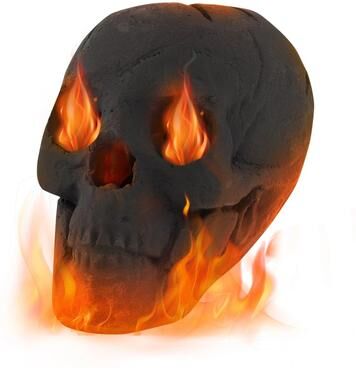
All Categories Goods Ceramic Fireproof Fire Pit Skull Reusable Black Gas Fire Pit Accessory Ceramic Fireproof Fire Pit Skull Reusable Black Gas Fire Pit AccessoryTurn your fire pit into a statement piece with the Ceramic Fire Pit Skull. This unique, fireproof skull is designed to withstand high heat, making it perfect for gaspowered fire pits. Crafted from durable ceramic fiber, this reusable skull is a bold...129,97 $*Shipping: 0,00 $Secure redirect to the provider



-
Can you exchange gas bottles anywhere?
No, gas bottles cannot be exchanged just anywhere. Gas bottle exchanges are typically done at authorized gas bottle exchange locations such as gas stations, hardware stores, or specialized gas bottle exchange centers. It is important to check with the specific location to see if they offer gas bottle exchange services. **
-
Can you easily explain gas exchange?
Gas exchange is the process by which oxygen is taken in and carbon dioxide is released from the body. In the lungs, oxygen from the air is absorbed into the bloodstream through tiny air sacs called alveoli, while carbon dioxide is removed from the blood and exhaled. This exchange occurs due to differences in the concentration of gases between the air in the lungs and the blood in the capillaries surrounding the alveoli. The oxygen is then transported to cells throughout the body via the bloodstream, where it is used for cellular respiration, while carbon dioxide is carried back to the lungs to be exhaled. **
-
Can you refill or exchange a gas bottle at the gas station?
No, gas bottles cannot be refilled or exchanged at a regular gas station. Gas bottles typically contain propane or other gases used for heating or cooking, and they require specialized equipment and procedures for refilling or exchanging. This service is usually provided by gas suppliers, hardware stores, or specialized gas refill stations. It is important to follow the proper safety guidelines when handling and refilling gas bottles. **
-
Can you refill or exchange a gas cylinder at the gas station?
No, gas cylinders cannot be refilled or exchanged at a regular gas station. Gas cylinders are typically used for propane or other gases for heating or cooking purposes and require specialized equipment and procedures for refilling or exchanging. This service is usually provided by gas cylinder exchange locations or specialized gas suppliers. **


How does gas exchange work in the alveoli?
Gas exchange in the alveoli occurs through a process called diffusion. Oxygen from the inhaled air passes through the thin walls of the alveoli and into the surrounding capillaries, where it binds to hemoglobin in red blood cells. At the same time, carbon dioxide, a waste product of cellular respiration, diffuses from the blood into the alveoli to be exhaled. This exchange of gases is facilitated by the large surface area and thin walls of the alveoli, as well as the close proximity of the alveoli to the capillaries. **
What anatomical processes promote gas exchange in mammalian alveoli?
Gas exchange in mammalian alveoli is promoted by several anatomical processes. First, the alveoli have a large surface area for gas exchange due to their numerous small sacs. Second, the alveoli are surrounded by a dense network of capillaries, allowing for close proximity between the blood and the air in the alveoli. Third, the alveoli have thin walls, which allows for efficient diffusion of gases between the air in the alveoli and the blood in the capillaries. Finally, the alveoli are lined with a layer of surfactant, which reduces surface tension and prevents the alveoli from collapsing, ensuring efficient gas exchange. **
Top-Angebote
Products related to Gas exchange:
-
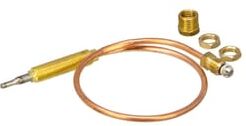
Hamilton Gas Products Ltd Gas Fire Thermocouple M10Gas Fire Thermocouple M10 - Reliable Heat Sensor for Your Gas Fire Ensure safe and efficient operation of your gas fire with our Gas Fire Thermocouple M10. Designed to detect heat and provide a reliable safety shut-off mechanism, this thermocouple is essential for maintaining the safety of your gas appliances. Key Features High-Quality Design: Built to last with durable materials, ensuring long-term reliability. M10 Fitting: Specifically designed for compatibility with M10 fittings for gas fires. Enhanced Safety: Automatically cuts off gas supply when no flame is detected, preventing gas leaks. Wide Application12,30 £*Shipping: 5,00 £Secure redirect to the provider
-
Hamilton Gas Products Ltd Gas Fire Thermocouple M8 300mmGas Fire Thermocouple M8 300mm - Reliable Safety for Your Gas Appliance Upgrade or replace your gas fire safety component with our premium Gas Fire Thermocouple M8 300mm. Designed for dependable performance, this thermocouple ensures your gas appliance operates safely and efficiently by detecting flame presence and preventing gas leaks. Key Features M8 Fitting with 300mm Length – Perfect for gas appliances requiring an M8 thermocouple connection with a 300mm length. Enhanced Safety Functionality – Automatically shuts off gas flow when no flame is detected, ensuring safety. Durable Construction – Made from high-quality materials for long-lasting performance.11,58 £*Shipping: 5,00 £Secure redirect to the provider
-
Lifestyle Gas Cabinet Heater Fire GuardThis free-standing heater guard is the perfect way to safeguard children and pets from the heat of portable gas heaters and accidental injury. Compatible with most sizes of portable gas heaters. NB: This product can only be used with box-shaped heaters and is NOT compatible with the De'Longhi Quattro Plus or Superser Mini range of gas heaters.43,20 £*Shipping: 5,00 £Secure redirect to the provider
-
How does gas exchange work?
Gas exchange is the process by which oxygen is taken in from the air and carbon dioxide is released from the body. In the lungs, oxygen from the air diffuses into the bloodstream through tiny blood vessels called capillaries surrounding the alveoli. At the same time, carbon dioxide from the bloodstream diffuses into the alveoli to be exhaled. This exchange of gases occurs due to differences in partial pressures of oxygen and carbon dioxide between the air in the lungs and the blood in the capillaries. **
-
What is the gas exchange?
Gas exchange is the process by which oxygen is taken in and carbon dioxide is expelled from the body. In the respiratory system, this occurs in the lungs, where oxygen from the air is transferred into the bloodstream and carbon dioxide is removed from the bloodstream and exhaled. This exchange of gases is essential for the body to obtain the oxygen it needs for cellular respiration and to rid itself of the waste product carbon dioxide. **
-
Can you exchange gas bottles anywhere?
No, gas bottles cannot be exchanged just anywhere. Gas bottle exchanges are typically done at authorized gas bottle exchange locations such as gas stations, hardware stores, or specialized gas bottle exchange centers. It is important to check with the specific location to see if they offer gas bottle exchange services. **
-
Can you easily explain gas exchange?
Gas exchange is the process by which oxygen is taken in and carbon dioxide is released from the body. In the lungs, oxygen from the air is absorbed into the bloodstream through tiny air sacs called alveoli, while carbon dioxide is removed from the blood and exhaled. This exchange occurs due to differences in the concentration of gases between the air in the lungs and the blood in the capillaries surrounding the alveoli. The oxygen is then transported to cells throughout the body via the bloodstream, where it is used for cellular respiration, while carbon dioxide is carried back to the lungs to be exhaled. **
Similar search terms for Gas exchange
-
All Categories Goods Ceramic Fireproof Fire Pit Skull Reusable Black Gas Fire Pit Accessory Ceramic Fireproof Fire Pit Skull Reusable Black Gas Fire Pit AccessoryTurn your fire pit into a statement piece with the Ceramic Fire Pit Skull. This unique, fireproof skull is designed to withstand high heat, making it perfect for gaspowered fire pits. Crafted from durable ceramic fiber, this reusable skull is a bold...129,97 $*Shipping: 0,00 $Secure redirect to the provider
-
York Wallcoverings Exchange Crystal Shore WallpaperExchange's small, unique, fractured lines feel like an artisanal installation rendered in burnished metallic against a textural plaster ground, shown in taupe grey with burnished metallic..170,00 $*Shipping: 0,00 $Secure redirect to the provider
-
Can you refill or exchange a gas bottle at the gas station?
No, gas bottles cannot be refilled or exchanged at a regular gas station. Gas bottles typically contain propane or other gases used for heating or cooking, and they require specialized equipment and procedures for refilling or exchanging. This service is usually provided by gas suppliers, hardware stores, or specialized gas refill stations. It is important to follow the proper safety guidelines when handling and refilling gas bottles. **
-
Can you refill or exchange a gas cylinder at the gas station?
No, gas cylinders cannot be refilled or exchanged at a regular gas station. Gas cylinders are typically used for propane or other gases for heating or cooking purposes and require specialized equipment and procedures for refilling or exchanging. This service is usually provided by gas cylinder exchange locations or specialized gas suppliers. **
-
How does gas exchange work in the alveoli?
Gas exchange in the alveoli occurs through a process called diffusion. Oxygen from the inhaled air passes through the thin walls of the alveoli and into the surrounding capillaries, where it binds to hemoglobin in red blood cells. At the same time, carbon dioxide, a waste product of cellular respiration, diffuses from the blood into the alveoli to be exhaled. This exchange of gases is facilitated by the large surface area and thin walls of the alveoli, as well as the close proximity of the alveoli to the capillaries. **
-
What anatomical processes promote gas exchange in mammalian alveoli?
Gas exchange in mammalian alveoli is promoted by several anatomical processes. First, the alveoli have a large surface area for gas exchange due to their numerous small sacs. Second, the alveoli are surrounded by a dense network of capillaries, allowing for close proximity between the blood and the air in the alveoli. Third, the alveoli have thin walls, which allows for efficient diffusion of gases between the air in the alveoli and the blood in the capillaries. Finally, the alveoli are lined with a layer of surfactant, which reduces surface tension and prevents the alveoli from collapsing, ensuring efficient gas exchange. **
* All prices are inclusive of VAT and, if applicable, plus shipping costs. The offer information is based on the details provided by the respective shop and is updated through automated processes. Real-time updates do not occur, so deviations can occur in individual cases. ** Note: Parts of this content were created by AI.